TOUR DESCRIPTION
Journey with other like-minded sacred
travelers to powerful Goddess sites in Turkey!
The image of the divine as female is as old as humanity.
The Goddess was prevalent in all known cultures in prehistoric times.
Archaeologists have unearthed artifacts related to Goddess religion that are 30,000
years old!
Here in ancient Anatolia, you'll explore Her sacred sites and be enfolded by the
loving arms
of this timeless “Nourishing Mother".

This
awesome gem of a sacred travel destination offers you the unique opportunity to visit
many ancient sites of the Sacred
Feminine!
Uncovered from the sands of time, these potent Goddess sites
will bring the Divine Feminine alive for you!
Her traces are not only present here for you today,
but are as vital and compelling as they were in the past!
Her Temples You'll Visit:
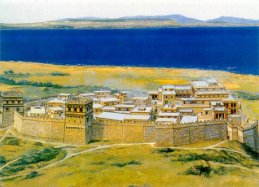
TROY: Temple of Athena
PERGAMON: Temples to
Athena, Isis and Serapis
SARDIS: Artemis Temple, Temples of
Cybele and Diana
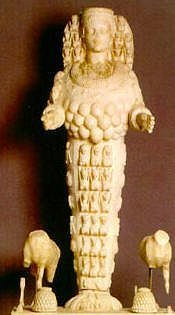
EPHESUS: Temple of Artemis, one of the Seven
Wonders of the Ancient World;
St. Mary's Cottage and Sacred Well
APHRODISIAS: Temple of Aphrodite
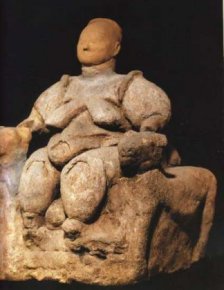
ÇATAL HOYUK: Neolithic site where the Mother Goddess was revered and venerated
 OTHER
IMPORTANT HISTORICAL SITES: OTHER
IMPORTANT HISTORICAL SITES:
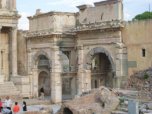
EPHESUS: Concert
Hall, Fountains, the Temples, Temple of the Sacred Prostitutes, the Celsus Library,
the Agoras, the Roman Baths, Gymnasiums, Celsus Library, Museum
of Ephesus
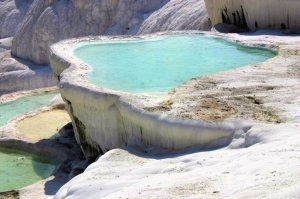
PAMUKKALE: Travertine Terraces, a UNESCO World Heritage site
We'll have a free day here to rest, relax and enjoy the hot springs!
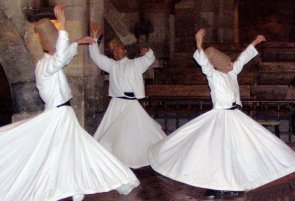
KONYA: Tomb
of Jalal al-Din Rumi, poet,
mystic and founder of the Mevlevi, or whirling dervish sect
Mevlana Museum, former monastery of the whirling dervishes
SPECIAL
OFFERINGS FOR YOU!
During our sacred journey
you'll be able to focus on the feminine faces of the Divine through:
ritual, meditation, guided
visualizations, dream incubation, channelings, divinations &
sounding/toning
to facilitate a deepening relationship with and understanding of the Goddess.
And, our evening dinners will present you with lively opportunities for group sharing.
EXTENSION TO GOBEKLI TEPE
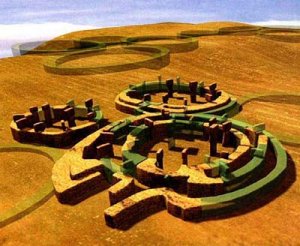
Explore this vast archaeological site with its compelling implications
for re-writing history!
One of the oldest place of worship yet discovered; it was settled before
Çatal Hoyuk.
Your time there will allow you to connect with the great mystery about the
history of Anatolia
and the development of human societies,
especially with regards to the matriarchal Mother Goddess
influences that the site reveals.

Gift yourself with this life-altering spiritual journey that will transport
your psyche
back to the time when the Goddess was alive in the hearts, minds and souls of the world!
Connect with the ancient Goddess at Her powerful sacred
sites
and nourish your own Inner Divine Feminine!

TOUR
PERSONNEL
Featured Speaker & Tour Director: Andrea Mikana-Pinkham
Co-Founder and Director of Sacred Sites
Journeys
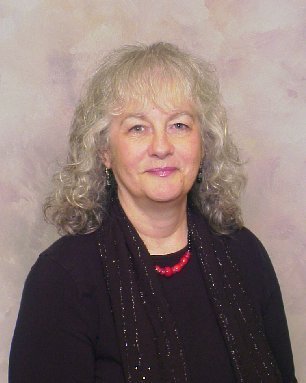
Andrea
Mikana-Pinkham has
been leading spiritual pilgrimages around the world since 1994. She is a longtime avid
practitioner of the Goddess Path. During this spiritual
journey she will facilitate meditations, guided visualizations and
rituals to assist you to connect with the powerful energies of the
Goddess at Her sacred sites and temples. (Note: All of these opportunities
are optional and no one is asked to go beyond their comfort level.)
Andrea
is the Grand
Prioress of The
International Order of Gnostic Templars , a contemporary spiritual Knights
Templar Order that is dedicated to the revival of the Goddess Tradition and Gnostic Wisdom
on the planet.
She
is also a trained Shamanic Practitioner, the creator and Reiki
Master Teacher of Ichi Sekai (One World) Reiki, a Spiritual Counselor,
and a Teacher in The Seven Rays of Healing School.
An Invitation from
Andrea: I invite you to join our diverse group of spiritual seekers on this
awesome spiritual pilgrimage in Turkey. I've designed our exceptional itinerary in order
to give you the optimum experience in both ancient Anatolia and the modern country. Our
time at the ancient Goddess sites will support you to connect with Her timeless Wisdom, as
well as Her energies of love, compassion and nurturing. As we explore the historical
aspects of these sites you'll gain an insight into how Her influence has continued to flow
in these important areas throughout time, influencing "Her-story" and thus our
culture and civilization of today. You will experience that the Goddess is still Alive,
without and within! I'll be honored to be with you to help facilitate your sacred travel
experience and to support you to have the transformation you seek. Blessings to you!
For more information about Andrea and her work, visit Click
Here
Special Guest Speaker: Mark Amaru Pinkham
Co-Founder
of Sacred Sites Journeys
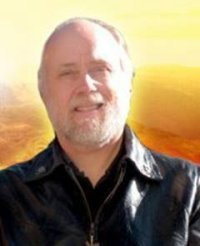
Mark
Amaru Pinkham is a spiritual teacher, a researcher
and historian of the Earth's Esoteric History and the Goddess
Tradition, and the author of five popular books.

Mark is the Grand
Prior of The International Order of Gnostic Templars, a
modern-day spiritual Knights Templar Order dedicated to the revival of
the Path of the Divine Feminine and Gnostic Wisdom, descended from the early Order of Knights Templar
in Scotland.
A practicing Astrologer for over 25 years, Mark is offering readings
before the tour to enhance your sacred travel experience. He is also the Founder/Director
of The
Seven Rays of Healing School.
Mark is the Director
of The World Alliance for
Planetary Enlightenment an affiliation of people and organizations who are
dedicated to the creation of a new society and spirituality throughout the Earth. We are
composed of Initiatic Societies, Religious Sects, Mystical Orders, Indigenous
Cultures and many individuals who are currently answering the call to evolve humanity
and unite all the divergent sects and nations into a one-world family.
For more information about Mark and his work, visit Click
Here
BRIEF
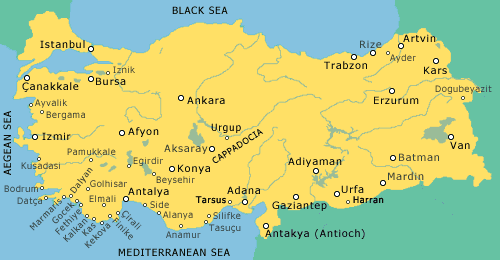
TOUR ITINERARY
Main
Tour: April 15 - 26, 2012
Day 1. Sunday,
April 15. Arrive Istanbul; Welcome Dinner (D)
Day 2. Monday, April 16. Istanbul: City Tour (B/D)
Day 3. Tuesday, April 17. To Troy; Continue to Canakkale (B/D)
Day
4. Wednesday, April 18. To Pergamon; Continue to Izmir (B/D)
Day 5. Thursday, April 19.
To Sardis; Continue to Kusadasi (B/D)
Day 6. Friday, April 20. Full Day Visit to Ephesus (B/D)
Day 7. Saturday, April 21. To Aphrodisias; Continue to
Hieropolis/Pamukkale (B/D)
Day 8. Sunday, April 22. Pamukkale. Free Day. (B/D)
Day 9. Monday, April 23. To Konya
(B/D)
Day
10. Tuesday, April 24. Çatal Hoyuk; Free Time; Whirling Dervish Performance; Farewell
Dinner (B/D)
Day 11. Wednesday, April 25. Fly to Istanbul (B)
Day 12. Thursday, April 26. Depart Turkey (B)
Extension to Gobeki Tepe: April 25 - 29, 2012
Day 11. Wednesday, April 25.
To Gaziantep (B/D)
Day 12. Thursday, April 26. To Sanliurfa (B/D)
Day 13. Friday, April 27. Gobekli Tepe (B/D)
Day
14. Saturday, April 28. Fly to Istanbul (B/D)
Day
15. Sunday, April 29. Depart Turkey
(For a more detailed itinerary, scroll down)
We only have 2 places left in this group!
Registration closes March 9, 2012 or sooner if the group fills before that date.
We
encourage you to reserve your space soon!
See our Registration Form and complete Terms and Conditions: Click Here
TOUR
ITINERARY
(B
= Breakfast, L = Lunch, D = Dinner)
Day 1. Sunday, April 15. Arrive Istanbul; Welcome
Dinner (D)
 Arrive on your own in
Istanbul. We suggest you arrange your flight to arrive in the morning, so that you have
time to rest today. (For those of you departing from the USA, SSJ can give you
a quote for your international air once you register. We are able to offer good rates on
Turkish Airlines flights from Los Angeles and New York City to Istanbul.) Arrive on your own in
Istanbul. We suggest you arrange your flight to arrive in the morning, so that you have
time to rest today. (For those of you departing from the USA, SSJ can give you
a quote for your international air once you register. We are able to offer good rates on
Turkish Airlines flights from Los Angeles and New York City to Istanbul.)
Istanbul is a huge metropolis divided into two continents by the Bosporus, is home to
eleven million people and is one of the greatest business and cultural center of the
region. A city of wonders, Istanbul far exceeds the words that can be used to describe it!
You’ll see!
After you clear Immigration, baggage claim and Customs you'll be met in the Arrivals Hall
by our local English-speaking SSJ tour representative and transferred to the hotel.
(Details to be provided with your final tour itinerary.) Check into your room at our
luxurious 4-Star hotel. Take time to rest and relax before our early evening Welcome
Meeting/Dinner at the hotel. Overnight Istanbul.
Day 2. Monday, April 16. Istanbul: City Tour; Whirling Dervish Performance (B/D) 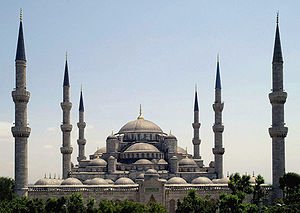
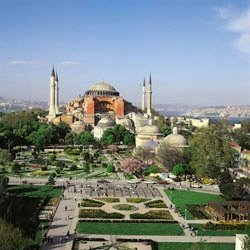
Today we enjoy a full day City Tour,
including the Blue Mosque, Hagia Sophia, Archaeology Museum, and Chora Church. Our morning
begins with a visit to the famous Blue Mosque, with its mighty dome, and the
only mosque in Istanbul with minarets, and built on the site of the Great Palace of
Byzantium, in the early 17th century. Today it is a working mosque and is therefore
closed to non-worshippers during the five daily prayers. The interior, with its lightness,
spatial effect and color, is one of the finest creations of Turkish architecture.
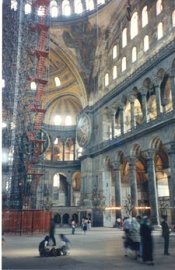 Next is the St.
Sophia Museum, formerly known as the
Hagia Sofia (Holy Wisdom), a former Greek Orthodox church that was converted to a mosque
in 1453 by the Ottoman Empire and today is a museum. The supreme achievement of Byzantine
architecture, it is the city's most celebrated monument. Large numbers of columns were
brought to Constantinople from temples in Asia Minor, Lebanon, Greece and Italy, and the
finest marbles and noblest metals were used. Next is the St.
Sophia Museum, formerly known as the
Hagia Sofia (Holy Wisdom), a former Greek Orthodox church that was converted to a mosque
in 1453 by the Ottoman Empire and today is a museum. The supreme achievement of Byzantine
architecture, it is the city's most celebrated monument. Large numbers of columns were
brought to Constantinople from temples in Asia Minor, Lebanon, Greece and Italy, and the
finest marbles and noblest metals were used.
Lunch on your own with the group at the world famous Grand Covered Bazaar. And maybe a bit of time
for retail therapy! 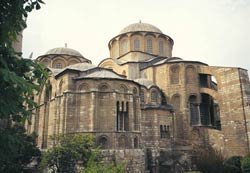
We then continue to the Istanbul Archaeological Museum and Chora Church. The Archeological Museum contains an important collection of
prehistoric Greek, Roman and Byzantine antiquities. In the courtyard is the graceful Tiled
Pavilion, one of the oldest surviving Turkish buildings in Istanbul (from 1472). Our last
stop for the day is the Chora Church, which has mosaics from the 12th century depicting the role
of Virgin Mary as the Mother of God, with the emphasis on Her
being Mother rather than Jesus being the God, a profound thought to ponder as you
take time to meditate in Her presence!
Return to the hotel. Take a bit of time for rest and integration.
Dinner this evening is at a local restaurant, with an authentic
Whirling Dervish performance by men dressed in
white robes, whirling and rotating around the floor. During this moving meditation the
dancer focuses on his great love of God, and can thus attain divine unity. Overnight
Istanbul.
Day 3. Tuesday, April 17. To Troy; Continue to Canakkale (B/D)
Depart early morning to Troy. Arrive later morning and enjoy lunch on your own
with the group at a local restaurant.
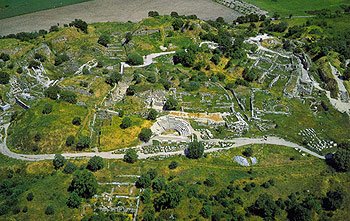 After lunch we explore the ruins of Troy, the famous city which existed over 4,000
years ago, and was known as the center of ancient civilizations, and of course is most
famous as being the site of the Trojan War. The site has had many incarnations over the
centuries. The Archaic Temple of Athena: After a 400 year hiatus at the
end of the Late bronze Age, the site was resettled around 700 BCE by Greek colonialists
who were possibly from Lesbos or Tenedos. The Early Iron Age city (Troy VIII) was founded
with the name Ilion. There is no history to tell us when the Archaic Temple of Athena at
Troy was built, but it followed the princile of Greek architecture. Around 546 BCE,
following the Persian conquest of all Ionia, Troy fell under Persian domination. In 480
BCE Xerxes halted at Troy to sacrifice a thousand oxen before crossing the Hellespont into
Greece. Alexander the Great liberated the city in 334 BCE and went to the Athena Temple to
make an offering to the Goddess; he promised to build a new temple and left his armor as a
gift to Her. The Hellenistic Temple of Athena: Following the death
of Alexander in 323 BCE, his successor Lysimachus had a new Temple of Athena built. It was
partly destroyed in 85 BCE during Fimbria's sack of Troy. The Roman Temple of
Athena: In the reign of Augustus (27 BCE - 14 CE) the city and After lunch we explore the ruins of Troy, the famous city which existed over 4,000
years ago, and was known as the center of ancient civilizations, and of course is most
famous as being the site of the Trojan War. The site has had many incarnations over the
centuries. The Archaic Temple of Athena: After a 400 year hiatus at the
end of the Late bronze Age, the site was resettled around 700 BCE by Greek colonialists
who were possibly from Lesbos or Tenedos. The Early Iron Age city (Troy VIII) was founded
with the name Ilion. There is no history to tell us when the Archaic Temple of Athena at
Troy was built, but it followed the princile of Greek architecture. Around 546 BCE,
following the Persian conquest of all Ionia, Troy fell under Persian domination. In 480
BCE Xerxes halted at Troy to sacrifice a thousand oxen before crossing the Hellespont into
Greece. Alexander the Great liberated the city in 334 BCE and went to the Athena Temple to
make an offering to the Goddess; he promised to build a new temple and left his armor as a
gift to Her. The Hellenistic Temple of Athena: Following the death
of Alexander in 323 BCE, his successor Lysimachus had a new Temple of Athena built. It was
partly destroyed in 85 BCE during Fimbria's sack of Troy. The Roman Temple of
Athena: In the reign of Augustus (27 BCE - 14 CE) the city and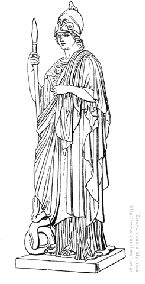 the sanctuary of
Athena underwent a large rebuilding program. In the center of the Sacred Square was the
large Temple of Athena. The remains of it found by Schliemann prove the temple was Doric. the sanctuary of
Athena underwent a large rebuilding program. In the center of the Sacred Square was the
large Temple of Athena. The remains of it found by Schliemann prove the temple was Doric.
The city has been excavated in recent times, starting
in 1822. We explore the remains of more than 20 limestone altars which surrounded the Temple of Athena,
Goddess of wisdom, civilization, warfare, female arts, strength, strategy, crafts,
justice and skill. She leaped from the
head of Zeus, already adult, dressed with her armor. The Mother is not completely missing
from Her miraculous birth however. According to Hesiod's account of the weddings of Zeus,
the King of the Gods chose Metis as his first wife. She was of all beings "the most
knowing" (as the word metis is interpreted). As she was about to give birth to the
Goddess Athena, Zeus deceived his pregnant wife with cunning words and assimilated her
into his own body. Mother Earth and Father Sky had advised him to do this in order to
prevent any of his descendants from robbing him of his kingly rank. For it was destined
that the most brilliant children were to be born to the Goddess Metis: first, the daughter
Athena, and later a son, the future King of Gods and men. Here, only the altars and mounds give any indication of the
existence of Athena's Temple, but we'll experience Her energy, as we gather to the west
and north of the altars for our group meditation.
Continue to Canakkale. The province of Canakkale lies on both
sides of the Dardanelles, which connects two seas and touches both Europe and Asia. Check in at the hotel. Group dinner at the hotel. After dinner
maybe you’d like to take a walk around the harbor to experience the local culture.
Buy sunflower seeds and look at the sunset, as the locals do. Overnight Cakakkale.
Day 4. Wednesday, April 18. To Pergamon; Continue to Izmir (B/D)
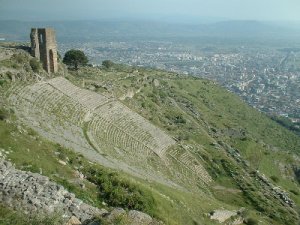 Morning departure after breakfast
for the drive to Pergamon. Today, the main sites of ancient
Pergamon are to the north and west of the modern city of Bergama. Located
on the fertile plains watered by the Selinus River, Pergamon was home to many
civilizations in ancient times. Its Greek name means "citadel." The remains of
the Roman city are for the most part beneath the modern town, while the Greek city with
the imposing ruins of its royal stronghold occupies a magnificently impressive location on
the summit and along the terraced slopes of the hill which rises above Bergama to the
east. Two of the country's most celebrated archaeological sites are here: the Acropolis
and the Asklepion, both listed among the top 100 historical sites on the Mediterranean.
Our visit will include both the Isis and Serapis Temple at the bottom of the hill, as well
as the area of the site at the top of the hill. Much to explore! Morning departure after breakfast
for the drive to Pergamon. Today, the main sites of ancient
Pergamon are to the north and west of the modern city of Bergama. Located
on the fertile plains watered by the Selinus River, Pergamon was home to many
civilizations in ancient times. Its Greek name means "citadel." The remains of
the Roman city are for the most part beneath the modern town, while the Greek city with
the imposing ruins of its royal stronghold occupies a magnificently impressive location on
the summit and along the terraced slopes of the hill which rises above Bergama to the
east. Two of the country's most celebrated archaeological sites are here: the Acropolis
and the Asklepion, both listed among the top 100 historical sites on the Mediterranean.
Our visit will include both the Isis and Serapis Temple at the bottom of the hill, as well
as the area of the site at the top of the hill. Much to explore!
The main function of the Acropolis was social
and cultural as much as it was sacred. In the Upper Acropolis we visit
the Temple to Athena, who represents the power of the mind,
and thus sometimes may appear cold or purely mental, separated from more feminine
attributes, such as tenderness and maternal love. But She is not cold. She was not only a
warrior Goddess, but also ruled over domestic crafts: the spindle, the
loom, the cooking pot, as well as all arts of civilization. She is the Goddess of the
City, of community and democracy. With her owl companion, Athena sees far
with the gray eyes of perspective and clarity. She does not act rashly, but wisely
considers Her strategies. Athena symbolizes the ability to conquer fear with intelligence
and vision.
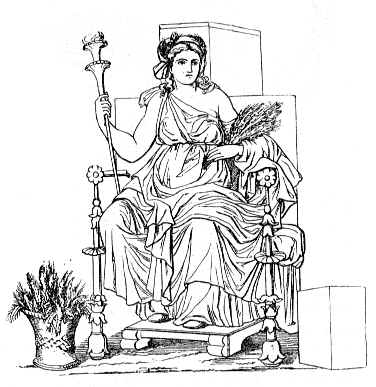 In the Lower
Acropolis we visit the Temple of Demeter and the Sanctuary
of Hera. Demeter was the Great Mother Goddess of Agriculture and Vegetation,. She presided over grains, the fertility of the earth, and the seasons. She
also presided over the sanctity of marriage, the sacred law, and the cycle of life and
death. In the myth with her daughter Persephone, the Goddess of Death and
Regeneration,
Persephone was abducted into the underworld by Hades. In a rage of grief, Demeter withdrew
her energy from the earth, and autumn and winter came to the land. Demeter wandered
through the dying earth, searching for her daughter. Eventually, Persephone was restored
to her mother for part of each year, and with Demeter's joy, spring came again. Essentially, the rites
imitated the agricultural cycles of planting the seed, nurturing its growth, and
harvesting the grain. On the esoteric level the drama enacted for the initiates symbolized
the odyssey of the human soul, its descent into matter, its earthly sufferings, its terror
in the darkness of death, and its rebirth into divine existence. In the Lower
Acropolis we visit the Temple of Demeter and the Sanctuary
of Hera. Demeter was the Great Mother Goddess of Agriculture and Vegetation,. She presided over grains, the fertility of the earth, and the seasons. She
also presided over the sanctity of marriage, the sacred law, and the cycle of life and
death. In the myth with her daughter Persephone, the Goddess of Death and
Regeneration,
Persephone was abducted into the underworld by Hades. In a rage of grief, Demeter withdrew
her energy from the earth, and autumn and winter came to the land. Demeter wandered
through the dying earth, searching for her daughter. Eventually, Persephone was restored
to her mother for part of each year, and with Demeter's joy, spring came again. Essentially, the rites
imitated the agricultural cycles of planting the seed, nurturing its growth, and
harvesting the grain. On the esoteric level the drama enacted for the initiates symbolized
the odyssey of the human soul, its descent into matter, its earthly sufferings, its terror
in the darkness of death, and its rebirth into divine existence.
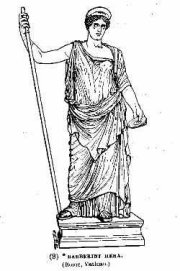
Hera, wife and one of three sisters of
Zeus, was the Goddess of Women and Marriage. Portrayed as majestic and
solemn, often enthroned, and crowned with a high cylindrical crown worn by several of the
Great Goddesses, Hera often bears a pomegranate in her hand, an ancient emblem of the
Great Goddess symbolizing fertile blood and death. Actually Her worship is far older than
that of Her husband. It goes back to a time when the creative force we call
"God" was conceived of as a woman. The Goddess took many forms, among them that
of a bird. The bird that was Hera's symbol was the peacock, symbolizing fertility and the
"all-knowing" denoted by the eyes on the peacock's feathers.
During our visit to these ancient temples of the
Goddess, we'll take
time for a meditation to connect with their powerful energies! What
visions will She share with you? What directives for your Life's Path will be come clear?
What will be your unique Gift of Spirit from one or more of these aspects of the Great
Goddess Herself?
The ancient Library of Pergamum on the Acropolis is the second
best in the ancient Greek civilization. When the Ptolemies stopped exporting
papyrus, partly because of competitors and partly because of shortages, the Pergamenes
invented a new substance to use in codices, called pergaminus or pergamena
(parchment) after the city. Made of fine calfskin, this was a predecessor of vellum. The
library at Pergamom was believed to contain 200,000 volumes, which Mark Antony later gave
to Cleopatra as a wedding present.
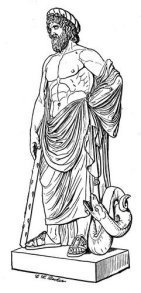 The Asklepion was one of the earliest medical centers on
record; it was an ancient healing temple dedicated to Asclepius, the God of
Healing. He is the son of Apollo and the nymph, Coronis. While pregnant
with Asclepius, Coronis secretly took a second, mortal lover. When Apollo found out, he
sent Artemis to kill her. While burning on the funeral pyre, Apollo felt pity and rescued
the unborn child from the corpse. Asclepius was taught about medicine and healing by the
wise centaur, Chiron, and became so skilled in it that he succeeded in bringing one of his
patients back from the dead. Zeus felt that the immortality of the Gods was threatened and
killed the healer with a thunderbolt. At Apollo's request, Asclepius was placed among the
stars as Ophiuchus, the serpent-bearer. The Asklepion was one of the earliest medical centers on
record; it was an ancient healing temple dedicated to Asclepius, the God of
Healing. He is the son of Apollo and the nymph, Coronis. While pregnant
with Asclepius, Coronis secretly took a second, mortal lover. When Apollo found out, he
sent Artemis to kill her. While burning on the funeral pyre, Apollo felt pity and rescued
the unborn child from the corpse. Asclepius was taught about medicine and healing by the
wise centaur, Chiron, and became so skilled in it that he succeeded in bringing one of his
patients back from the dead. Zeus felt that the immortality of the Gods was threatened and
killed the healer with a thunderbolt. At Apollo's request, Asclepius was placed among the
stars as Ophiuchus, the serpent-bearer.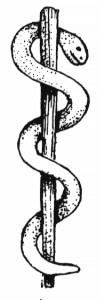
The Staff of Asclepius is the personification of Medical or healing Art
and its ideals. Most medical Associations around the world today use the
"correct" and traditional symbol of medicine, the staff of Asclepius with a
single serpent encircling a staff, classically a rough-hewn knotty tree limb. Asclepius is
traditionally depicted as a bearded man wearing a robe that leaves his chest uncovered and
holding a staff with his sacred single serpent coiled around it, (example right)
symbolizing renewal of youth as the serpent casts off its skin.
Here at the Asklepion, people would come here to bathe in the water of
the sacred spring. It's said that Asclepius would appear in a vision
to tell them how to cure their illness. Archeologists have found
lots of gifts and dedications that people would make afterwards, such as small terracotta
body parts, representing what had been healed.
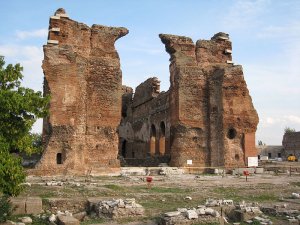 We'll
also visit Pergamon's other notable structure, the monumental Temple of Isis and
Serapis, and possibly also Osiris, Harpocrates and other lesser
gods, who may have been worshipped in a pair of drum-shaped rotundas, both of which are
virtually intact, alongside the main temple. Today it's known as the Red Basilica,
Red Hall or Red Courtyard, south of the Acropolis. It consists of a main building and two
round towers within an enormous sacred area. The building was originally a vast hall,
rather than a basilica, covered by a wooden roof that had no interior support or
colonnade. Its walls were built entirely of red bricks that gave the building its modern
name. A total of twelve arched niches are embedded in the walls of the western end of the
temple; they presumably held statues of deities – perhaps the twelve gods of
the zodiac. We'll
also visit Pergamon's other notable structure, the monumental Temple of Isis and
Serapis, and possibly also Osiris, Harpocrates and other lesser
gods, who may have been worshipped in a pair of drum-shaped rotundas, both of which are
virtually intact, alongside the main temple. Today it's known as the Red Basilica,
Red Hall or Red Courtyard, south of the Acropolis. It consists of a main building and two
round towers within an enormous sacred area. The building was originally a vast hall,
rather than a basilica, covered by a wooden roof that had no interior support or
colonnade. Its walls were built entirely of red bricks that gave the building its modern
name. A total of twelve arched niches are embedded in the walls of the western end of the
temple; they presumably held statues of deities – perhaps the twelve gods of
the zodiac. 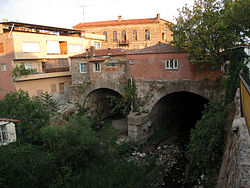
In the first century CE, the Christian Church at Pergamon inside the main building of the
Red Basilica was one of the Seven Churches to which the Book of Revelation was addressed
in Revelation. The forecourt is still supported by the Pergamon Bridge,
the largest bridge substruction of antiquity. The 643 ft wide structure was designed
during Hadrian's reign (117–138 CE) to form a passageway underneath a large court in
front of the "Red Basilica" temple complex. The two intact tubes, which
consist of supporting walls covered with barrel vaults, still serve their purpose to this
day.
 After lunch
on your own with the group in the town of Bergama, we continue to Izmir, the ancient and medieval city known as Smyrna, a large metropolis in western
Anatolia and the capital of the Izmir Province, located along the outlying waters of the
Gulf of Izmir on the eastern shoreline of the Aegean Sea. It’s Turkey's third most
populous city and the country's second largest port city after Istanbul. Izmir has
a typical Mediterranean climate, with hot, dry summers and warm, wet winters. After lunch
on your own with the group in the town of Bergama, we continue to Izmir, the ancient and medieval city known as Smyrna, a large metropolis in western
Anatolia and the capital of the Izmir Province, located along the outlying waters of the
Gulf of Izmir on the eastern shoreline of the Aegean Sea. It’s Turkey's third most
populous city and the country's second largest port city after Istanbul. Izmir has
a typical Mediterranean climate, with hot, dry summers and warm, wet winters.
Arrive and check in at the hotel. Free time. Perhaps you’d like to explore a bit on
your own. Some options are: The Clock Tower in Konak Square is probably Izmir's
best-known landmark. The Asansor is the city's famous public elevator,
and a symbol of Izmir. This elevator links Mithatpasa Street below with Halil Rifat Pasa
Street at the summit of the precipitous hill. It was built in 1907 and restored by the
municipality in 1993. The upper terrace has a breathtaking view over the city and the bay.
Group dinner at the hotel. Overnight Izmir.
Day
5. Thursday, April 19. To Sardis; Continue
to Kusadasi (B/D) 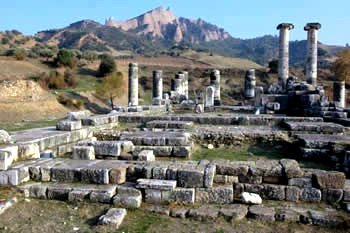
Depart after breakfast to Sardis, the capital of ancient Lydia,
where we visit the Artemis Temple, one
of the most interesting ruins in all of Turkey, with its monumental buildings and
location. Built in the 6th century BCE, it was destroyed by the Greeks in 498
and later rebuilt in the reign of Alexander the Great. The city is divided into two by the
highway. The monumental road is in the north and behind it there is a gymnasium and
synagogue is a Roman bath. Down the road there are the Hellenistic theater and the
stadium. As we follow the side road, we reach the 3rd century BCE Artemis Temple,
one the most beautiful temples with its Ionian style. We also visit the Temple of Cybele and Diana,
which later became a church. We also see the golden river Pactalos and the 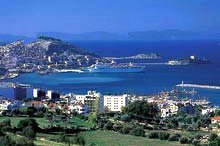 Royal Road. Then visit the reconstructed Synagogue, the Gymnasium and the new
excavation area. Royal Road. Then visit the reconstructed Synagogue, the Gymnasium and the new
excavation area.
Lunch on your own with the group with the group. Continue to Kusadasi, situated on the west coast of Turkey,
and reputed to be one of the most attractive cities of the Aegean. Kusadasi has a typical
Mediterranean climate with hot summers and mild winters and is bathed in sunshine for 300
days of the year.
Arrive and check in at the hotel. Free time. Group dinner at the hotel. Overnight
Kusadasi.
Day
6. Friday, April 20. Full Day Visit to Ephesus (B/D)
Depart after breakfast for Ephesus,
the greatest Temple City in Asia
Minor, dedicated to the Great Goddess Artemis Diana. The Temple of Artemis
Diana, built about 550 BCE, is one of the Seven Wonders of the World, and one
of the most complex temples built in ancient times. The temple was the last of the Great
Goddess temples to remain open, and was the site of Goddess worship well into the
Christian era. When the Temple was in use, it was brightly painted and inlaid
with stone and had a marble sanctuary and a tile-covered wooden roof. Conceived by
architect Chersiphron and his son, Metagenes, the temple's inner space featured a double
row of at least 106 columns, each believed to be 40 to 60 feet high. The foundation was
approximately 200 feet by 400 feet. The original temple burned in 356 BCE and was rebuilt
on the same foundation. Fire devastated the second temple in 262 CE, but its foundation
and some debris have survived.
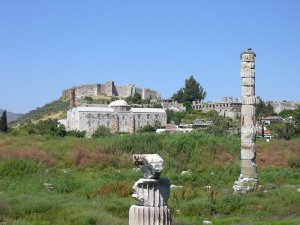 The discovery
of the Temple of Artemis is considered one of the greatest detective stories of world of
archaeology. In his search to find the ancient temple in the 19th century, the
British engineer T.J. Wood searched the site of Ephesus for seven years and finally
discovered an important inscription in the Theater. The inscription in Latin told of the
last will of a Roman citizen who wanted his relatives and friends to carry the statues of
Artemis from Her temple to the theater, walking through the major streets of Ephesus and
through the Magnesia Gate and then back to the Her temple. This incription made it clear
that the temple was outside the major ruins of Ephesus, and that the sacred road from it
to the city made a circle around Mount Pion. Wood found the Magnesia Gate and the pavement
of the sacred road, and by following it he finally reached the deeply buried Temple of
Artemis. The discovery
of the Temple of Artemis is considered one of the greatest detective stories of world of
archaeology. In his search to find the ancient temple in the 19th century, the
British engineer T.J. Wood searched the site of Ephesus for seven years and finally
discovered an important inscription in the Theater. The inscription in Latin told of the
last will of a Roman citizen who wanted his relatives and friends to carry the statues of
Artemis from Her temple to the theater, walking through the major streets of Ephesus and
through the Magnesia Gate and then back to the Her temple. This incription made it clear
that the temple was outside the major ruins of Ephesus, and that the sacred road from it
to the city made a circle around Mount Pion. Wood found the Magnesia Gate and the pavement
of the sacred road, and by following it he finally reached the deeply buried Temple of
Artemis.
We then visit and explore St. Mary's Cottage inside the ruins of Ephesus. In 431 CE Here the Christian church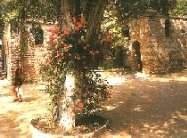 declared
Mary to be the "the God-bearer" in order to legitimize
Christianity in the eyes of the people of Asia Minor. Prior to that time, she was not
recognized by the Christian church. Many of the Great Goddess's titles
were taken and declared to be the titles of Mary, including; "Queen of Heaven",
"Divine Virgin", "Mother of All". Ephesus was chosen for Mary's
installation to add legitimacy to the church's claim that Mary, not Diana, was "the
Mother of God", the "Mother of All." Many believe that with the rise of
Christianity and papal power, the Goddess slowly disappeared from western culture and
faded into the mists. But, so great was devotion to the Goddess that She was resurrected
in the hearts of the people by a new Goddess, Mary, Mother of Jesus. We visit the Shrine of the Virgin Mary, the little
house where she supposedly spent her later days. declared
Mary to be the "the God-bearer" in order to legitimize
Christianity in the eyes of the people of Asia Minor. Prior to that time, she was not
recognized by the Christian church. Many of the Great Goddess's titles
were taken and declared to be the titles of Mary, including; "Queen of Heaven",
"Divine Virgin", "Mother of All". Ephesus was chosen for Mary's
installation to add legitimacy to the church's claim that Mary, not Diana, was "the
Mother of God", the "Mother of All." Many believe that with the rise of
Christianity and papal power, the Goddess slowly disappeared from western culture and
faded into the mists. But, so great was devotion to the Goddess that She was resurrected
in the hearts of the people by a new Goddess, Mary, Mother of Jesus. We visit the Shrine of the Virgin Mary, the little
house where she supposedly spent her later days.
The story about the discovery
of Mary's House started with the visions of Catherine Emmerich,
a German nun who had visions about the site and described them in a book she wrote; in it
she mentions that Mary and John the Apostle come to Ephesus and lived in a small Roman
Village, located on the mountain. She even adds that when Mary died, she was buried by
John and his close friends. Nearly 20 years after her death, a group of Lazarist priests
from Izmir came to Ephesus and visited the ancient ruins of Ephesus. They had a copy of
her book in their hands as the climbed the hill. It was as the nun had described it from
her visions. When they got thirsty, they were guided to a fountain by a local
shepherd. Near the fountain, they discovered the remains of a small cross shaped church
and the fountain with the sacred water with healing powers. Archaeologists then excavated
underneath the remains of the Byzantine church and discovered the remains of a Roman house going back o the time of
Christ and Mary.
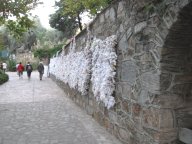 We'll take some free time
for quiet contemplation and meditation in this area to connect with the
energies of Mary, the reincarnation of the Great Mother Goddess in this
area. If you like, you can write out a prayer and/or affirmation on a piece of paper and
leave it in the Prayer Wall. We'll take some free time
for quiet contemplation and meditation in this area to connect with the
energies of Mary, the reincarnation of the Great Mother Goddess in this
area. If you like, you can write out a prayer and/or affirmation on a piece of paper and
leave it in the Prayer Wall.
Lunch on your own with the group. Afterwards we continue to Ephesus and see the spectacular ruins from
the period of St. Paul, some of which have only recently been excavated: the
Odeon/ Bouleterion, Fountains, the Temples, the Brothel, the Celsus Library, the Agoras,
the Roman Baths, and the Gymnasiums. According to its
inscription, the Odeon/ Bouleterion was
built by one of the rich citizens of Ephesus in the 2nd century CE and presented to the
Gods and People of Ephesus. This small hall which could hold 1500 people was used for
concerts, lectures, poetry reading competitions and also for the meeting of city council.
Throughout the site we'll see carvings to various Goddesses: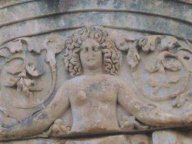
In the Temple of Hadrian there are reliefs of Medusa,
symbolically keeping evil spirits away. In Greek mythology Medusa was a guardian or protectress
of the Underworld. In the mists of time Medusa was worshiped as one of the Triple
Aspects of the ancient Goddess Anatha. She was the Dark Moon Goddess, one
of the Serpent Goddesses of female wisdom. She ruled over the regenerative mysteries
of sex and death, and protected these magical rites from being discovered and
abused by the uninitiated. Her wise message was about the inevitability of death. As an
Ocean Goddess of the West, She guarded the gateway of death and granted safe passing to
all souls entering the oceanic entrance to the underworld. In Greek mythology,
the patriarchy, in their fear of the wise woman of death, and of the magical sexual power
of the menstruating feminine, demonized Medusa into a monstrous figure of the devouring,
castrating mother. In this tale, Medusa was one of three Gorgon sisters born from ancient
sea deities. Two sisters were born immortal and ageless, Medusa was born mortal. They
lived near the border of life and death at the ocean's edge near the edge of the world.
Tales of their beauty was told all over the world and many suitors called upon the
sisters. From the many suitors it was Poseidon that Medusa took as Her lover one day in
the temple of Athena. When they lay together, the enraged Athena transformed
Medusa's beautiful hair to serpents and made her face so terrible to behold that the mere
sight of it would turn onlookers to stone. Take some time to meditate on
these aspects of the Goddess that Medusa represents in your life. What is Her gift to you
today?
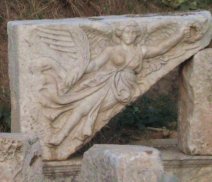 We'll see a
stunning relief of Nike, the Goddess of Victory, Strength and Speed. The
Greek word 'Nike' (pronounced 'nee kay') is synonymous with the word 'Victory'.
Its origins are rooted in proto-Indo-European languages to mean 'first', 'victor' and
'afore' from 'Nikh' (pronounced 'neekh'). She was the daughter of the giant
Pallas and the river Styx. Nike was originally an attribute of both Athena and Zeus,
represented as a small figure carried in their hand. She gradually came to be recognized
as a mediator between gods and mortals, and was frequently shown carrying a palm branch,
wreath, or staff as the messenger of victory. Nike is a winged Goddess
because she gives us the ability to soar and fly to our highest highs! She is generally
considered a warrior Goddess because she has the power to decide the
outcome of battles and wars by conferring Victory to one and condemning to defeat the
other. However, Victory is applicable in all fields, not just the battlefield. Victory
applies to any field where success and failure are outcomes. Take some time to contemplate
how the attributes of Nike are useful to you in your life today. What are your
"battle" and what is "victory"? We'll see a
stunning relief of Nike, the Goddess of Victory, Strength and Speed. The
Greek word 'Nike' (pronounced 'nee kay') is synonymous with the word 'Victory'.
Its origins are rooted in proto-Indo-European languages to mean 'first', 'victor' and
'afore' from 'Nikh' (pronounced 'neekh'). She was the daughter of the giant
Pallas and the river Styx. Nike was originally an attribute of both Athena and Zeus,
represented as a small figure carried in their hand. She gradually came to be recognized
as a mediator between gods and mortals, and was frequently shown carrying a palm branch,
wreath, or staff as the messenger of victory. Nike is a winged Goddess
because she gives us the ability to soar and fly to our highest highs! She is generally
considered a warrior Goddess because she has the power to decide the
outcome of battles and wars by conferring Victory to one and condemning to defeat the
other. However, Victory is applicable in all fields, not just the battlefield. Victory
applies to any field where success and failure are outcomes. Take some time to contemplate
how the attributes of Nike are useful to you in your life today. What are your
"battle" and what is "victory"? 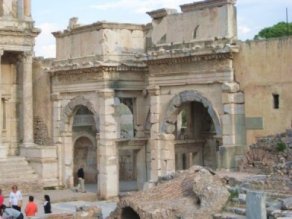
Next we visit the amazing Celsus Library.
One of the most beautifully reconstructed buildings in Ephesus, it has become an icon of
the ancient city. According to its inscription, it was built between 110 and 135 CE by the
Consul Julius Aquila as a mausoleum for his father, Julius Celsus Polemaeanus, Roman
governor of the Asian Provinces, a former Roman senator and major mason of Emperor Trajan.
Situated by the south gate of the Commercial Agora, the library draws our attention
because of its fascinating two-storied restored facade with six windows. Flight of steps,
flanked by two statue bases with inscriptions lead to the main reading room. The
inscriptions gives information about Celsus and his official career. At the end of his
career he moved to Ephesus, died there and was buried in a niche on the right side
of the back wall. A few centuries after its construction a fire destroyed the reading room
and the library fell into disuse. Around 400 CE, the courtyard below the exterior steps
was converted into a pool. The facade collapsed in an earthquake in the 10th century.
Between 1970 and 1978 the Austrian Archaeological Institute excavated here and restored
the magnificent building to its present state.
 On a low wall in front of the Celsus Library we'll find an exquisite
carving of a garlanded Bull Head. The bull was the symbol of the
solar masculine principle. Interesting that it's located across from the remains of the temple
of the sacred prostitutes, or what archaeologists and modern-day historians call
the Brothel. In the ancient communities women On a low wall in front of the Celsus Library we'll find an exquisite
carving of a garlanded Bull Head. The bull was the symbol of the
solar masculine principle. Interesting that it's located across from the remains of the temple
of the sacred prostitutes, or what archaeologists and modern-day historians call
the Brothel. In the ancient communities women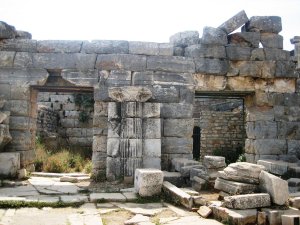 enjoyed a
status in the culture which is unknown today. Sexuality was regarded as a sacred activity,
as opposed to a physical or romantic function, and had a public as well as private role.
Every New Year, the king had public sexual intercourse with a priestess who embodied the
goddess. This act of sacred sexuality—the hieros gamos, or sacred marriage,
insured prosperity and abundance for the entire kingdom throughout the coming year. And in
the private sphere of the community, the same act was carried out by the people. This
spiritual rite continued for many centuries. At Ephesus, as part of the worship of
Artemis / Diana, men could visit the temple to have intercourse with a hierodule
(sacred prostitute) who was believed to embody the Goddess. The building consisted
of two floors. On the ground floor were a hall, the reception area with a mosaic floor of
the four seasons. of which the figures of Winter and Autumn are still well preserved, and
a bath. There were rooms on the second floor where the sacred prostitutes entertained
their clients. enjoyed a
status in the culture which is unknown today. Sexuality was regarded as a sacred activity,
as opposed to a physical or romantic function, and had a public as well as private role.
Every New Year, the king had public sexual intercourse with a priestess who embodied the
goddess. This act of sacred sexuality—the hieros gamos, or sacred marriage,
insured prosperity and abundance for the entire kingdom throughout the coming year. And in
the private sphere of the community, the same act was carried out by the people. This
spiritual rite continued for many centuries. At Ephesus, as part of the worship of
Artemis / Diana, men could visit the temple to have intercourse with a hierodule
(sacred prostitute) who was believed to embody the Goddess. The building consisted
of two floors. On the ground floor were a hall, the reception area with a mosaic floor of
the four seasons. of which the figures of Winter and Autumn are still well preserved, and
a bath. There were rooms on the second floor where the sacred prostitutes entertained
their clients.
Time allowing, we’ll
also visit the Museum of Ephesus, or
the Selcuk Museum,
in the district of Selcuk, which displays works of art found in the excavations in Ephesus
since 1964. The museum was enlarged in 1976 with new buildings.
Return to the hotel later afternoon. Free time. Dinner with the group at the hotel. Overnight
Kusadasi.
Day 7. Saturday, April 21. To Aphrodisias; Continue to
Hieropolis/Pamukkale (B/D) 
Morning departure to Aphrodisias, the city of
Aphrodite, the Goddess of Love. Aphrodisias is
one of the oldest sacred sites in Turkey. The name of the city is derived from Aphrodite,
the Goddess of love, nature, beauty and abundance. She was married to
Hephaestus, but he was the lover of Ares, Hermes, Dionysus and Adonis.
 The
origins of the city could go back to the late Neolithic times, when the first temple was
dedicated to the ancient Mother Goddess. The similarities of the goddess
Aphrodite to Artemis of Ephesus and other Anatolian mother goddesses are evident in cult
statues found in the ruins. Built in about 100 BCE over an earlier shrine from 3rd
century BCE, Aphrodisias was the site of a magnificent Temple of Aphrodite
and the home of a renowned school of marble sculpture. The temple boasted
a huge statue of Aphrodite, more than 10ft tall, of which parts have been recovered.
During the Roman period from the 1st to the 6th centuries CE, Aphrodisias became a
thriving commercial center, due to the excellence of its school of sculptors in marble.
Despite the arrival of Christianity and the establishment of a bishop in the city,
paganism still remained for several centuries in Aphrodisias, due to the popularity of
Aphrodite's cult worship. When Christianity became the official religion of the Byzantine
Empire, the pilgrimage shrine of Aphrodite gradually declined in importance, so much so
that the names Aphrodite and Aphrodisias were erased from all inscriptions and sculptures.
Today, the temple is well-preserved and partially restored. Aphrodisias also offers ruins
of a large theater, a stadium and other structures, as well as an on-site museum
displaying artifacts. The
origins of the city could go back to the late Neolithic times, when the first temple was
dedicated to the ancient Mother Goddess. The similarities of the goddess
Aphrodite to Artemis of Ephesus and other Anatolian mother goddesses are evident in cult
statues found in the ruins. Built in about 100 BCE over an earlier shrine from 3rd
century BCE, Aphrodisias was the site of a magnificent Temple of Aphrodite
and the home of a renowned school of marble sculpture. The temple boasted
a huge statue of Aphrodite, more than 10ft tall, of which parts have been recovered.
During the Roman period from the 1st to the 6th centuries CE, Aphrodisias became a
thriving commercial center, due to the excellence of its school of sculptors in marble.
Despite the arrival of Christianity and the establishment of a bishop in the city,
paganism still remained for several centuries in Aphrodisias, due to the popularity of
Aphrodite's cult worship. When Christianity became the official religion of the Byzantine
Empire, the pilgrimage shrine of Aphrodite gradually declined in importance, so much so
that the names Aphrodite and Aphrodisias were erased from all inscriptions and sculptures.
Today, the temple is well-preserved and partially restored. Aphrodisias also offers ruins
of a large theater, a stadium and other structures, as well as an on-site museum
displaying artifacts.
Lunch On your own with the group. Continue to Hieropolis/Pamukkale. Check
in at the hotel. You have free time until our group dinner at the hotel. Overnight
Pamukkale.
Day 8. Sunday, April 22. Pamukkale: Free Day. (B/D)
After several days of travel, today is a free day at leisure in Pamukkale, one of the
most interesting places in the world, famous not only for the entrancing beauty of its
unique geological formations, but also for its historical remains. Located above the
theater of the area, the mineral water comes from the thermal springs of Mount Caldag and
is collected in the "Sacred Pool" of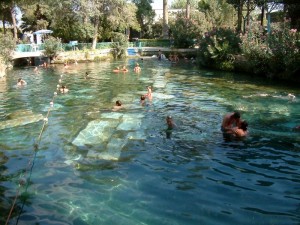 ancient times, where we will
have the option to swim amidst the Travertine
Terraces, a UNESCO World Heritage site, which are among the remains of Hierapolis
(Holy City). The name Pamukkale means "cotton castle" is derived from the
dazzling white calcareous castles which are formed by limestone-laden thermal springs,
which create a fairyland of bizarre solidified cascades and shell-shaped basins. People
have gathered at these pools for its health benefits for centuries. The spa has soothed
many ailments from heart diseases, atherosclerosis, blood pressure, rheumatism, eye and
skin diseases, rickets, nervous disorders, nervous and physical exhaustion to circulatory
problems. Today we'll have our timeto enjoy relaxing and meditating in the waters, which
change color according to how the light enters. You can still walk through some of the
pools barefoot (no shoes or sandles allowed to protect the pools. ancient times, where we will
have the option to swim amidst the Travertine
Terraces, a UNESCO World Heritage site, which are among the remains of Hierapolis
(Holy City). The name Pamukkale means "cotton castle" is derived from the
dazzling white calcareous castles which are formed by limestone-laden thermal springs,
which create a fairyland of bizarre solidified cascades and shell-shaped basins. People
have gathered at these pools for its health benefits for centuries. The spa has soothed
many ailments from heart diseases, atherosclerosis, blood pressure, rheumatism, eye and
skin diseases, rickets, nervous disorders, nervous and physical exhaustion to circulatory
problems. Today we'll have our timeto enjoy relaxing and meditating in the waters, which
change color according to how the light enters. You can still walk through some of the
pools barefoot (no shoes or sandles allowed to protect the pools.
Lunch on your own at your leisure. Group dinner at the hotel. Overnight
Pamukkale.
Day 9. Monday, April
23. To Konya (B/D)
Depart after
breakfast for Konya. Arrive later morning in Konya, one
of the world's oldest cities, with excavations revealing settlement from as early
as the 3rd millennium BCE. The city is famous for its hand woven carpets,
the monastery of the mystical sect known as the Mevlevi, or whirling dervishes, and the
tomb of the sect's founder, the poet and mystic Jalal al-Din Rumi, a Sufi
mystic also known as Mevlana or Rumi. His poetic message of peace, love
of God and one's fellow creatures, resounds to a far wider audience today than it
did over 700 years ago when he preached and taught in Konya, and whirled in ecstasy
through its streets.
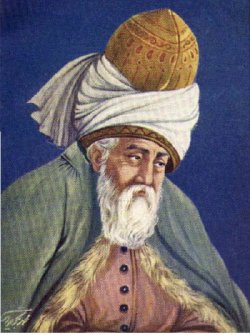 Rumi
was born in Afghanistan in 1207. His father was a brilliant Islamic scholar. When Rumi was
twelve, his family fled the Mongol invasion. By 1228 they lived in Rum, where his
father’s pupil Burhan al-Din initiated Rumi into Sufism, and taught him the various
teachings of the Sufi tradition. After his father's death in 1231, Rumi came to Konya in
1240. Here he became a Sufi teacher and within a few years he had a group
of disciples. Rumi
was born in Afghanistan in 1207. His father was a brilliant Islamic scholar. When Rumi was
twelve, his family fled the Mongol invasion. By 1228 they lived in Rum, where his
father’s pupil Burhan al-Din initiated Rumi into Sufism, and taught him the various
teachings of the Sufi tradition. After his father's death in 1231, Rumi came to Konya in
1240. Here he became a Sufi teacher and within a few years he had a group
of disciples.
Rumi established the Sufi brotherhood,
with the Sema, a distinctive whirling and circling dance practiced
by the Dervishes. The seven-part ceremonial dance represents the mystical
journey of the ascent through mind and love to union with the divine. It mirrors
the revolving nature of existence and all living things. As the Sufi dervish turns toward
the truth, he grows through love, abandons ego, and embraces perfection. Having reached
this exalted state, he returns from this spiritual journey and is full of love and service
to all of creation. The dervishes long white gowns symbolize the burial shroud of the ego.
The tall cone-shaped hats symbolize the ego's tombstone. The dervishes dance for hours at
a time, with arms held high, the right hand lifted upward to receive blessings and energy
from heaven, the left hand turned downward to bestow these blessing on the earth. Turning
their body, they spin from right to left, revolving around their heart to embrace
all of creation with love.
Check in at the hotel. Lunch on your own at your leisure. 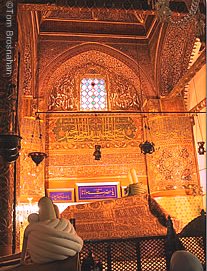
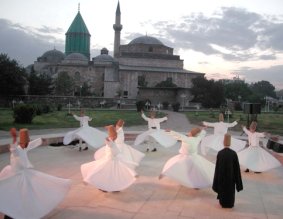 In the afternoon we visit
the Mevlana Museum, the former dervish hall, was converted into the museum
in 1927. Inside are the tombs of Rumi, his family,
and outstanding members of the Mevlevi order. In the main room, we see the tomb of Rumî
himself, resplendent in gold decoration and covered in cloth-of-gold. (What you see is a
cenotaph. Rumî's actual tomb is beneath it.) Adjacent to Rumi's burial is that of his
father, Baha al-Din Valed. His sarcophagus stands upright. Legends say that when Rumi was
buried, his father's tomb "rose and bowed in reverence." There are also tombs of
Rumi's son and other Sufi sheikhs are clustered about the shrine. The burials of Rumi, his
father and several others are capped with huge turbans, these being symbolic of the
spiritual authority of Sufi teachers. Take time to meditate near the tomb
of this awe-inspiring mystic and see what worlds might open to you. In the afternoon we visit
the Mevlana Museum, the former dervish hall, was converted into the museum
in 1927. Inside are the tombs of Rumi, his family,
and outstanding members of the Mevlevi order. In the main room, we see the tomb of Rumî
himself, resplendent in gold decoration and covered in cloth-of-gold. (What you see is a
cenotaph. Rumî's actual tomb is beneath it.) Adjacent to Rumi's burial is that of his
father, Baha al-Din Valed. His sarcophagus stands upright. Legends say that when Rumi was
buried, his father's tomb "rose and bowed in reverence." There are also tombs of
Rumi's son and other Sufi sheikhs are clustered about the shrine. The burials of Rumi, his
father and several others are capped with huge turbans, these being symbolic of the
spiritual authority of Sufi teachers. Take time to meditate near the tomb
of this awe-inspiring mystic and see what worlds might open to you.
Return to the hotel. Group dinner at the hotel. Overnight
Konya.
Day 10. Tuesday, April 24. Çatal Hoyuk; Free Time; Farewell
Dinner (B/D)
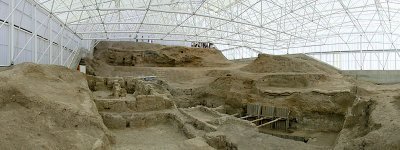 This morning we have the rare opportunity to visit the 9,000 year old Neolithic
site of Çatal Höyük,
located on a vast prairie beside the active Hasan Dag volcano. The name means “forked
mound” and refers to the site's mounds which formed as centuries of people tore down
and rebuilt the settlement's mud-brick houses from approximately 7500 BCE to 5700 BCE.
Until the discovery of Göbekli Tepe, which we'll visit during our
post-tour extension, it was the largest and best preserved Neolithic site found. The site
was first discovered in the late 1950s, excavated between 1961 and 1965, and became famous
internationally due to the large size and dense occupation of the settlement, as well as
the spectacular wall paintings and other art that was uncovered inside the houses. Since
1993 an international team of archaeologists has been carrying out new excavations and
research. This morning we have the rare opportunity to visit the 9,000 year old Neolithic
site of Çatal Höyük,
located on a vast prairie beside the active Hasan Dag volcano. The name means “forked
mound” and refers to the site's mounds which formed as centuries of people tore down
and rebuilt the settlement's mud-brick houses from approximately 7500 BCE to 5700 BCE.
Until the discovery of Göbekli Tepe, which we'll visit during our
post-tour extension, it was the largest and best preserved Neolithic site found. The site
was first discovered in the late 1950s, excavated between 1961 and 1965, and became famous
internationally due to the large size and dense occupation of the settlement, as well as
the spectacular wall paintings and other art that was uncovered inside the houses. Since
1993 an international team of archaeologists has been carrying out new excavations and
research.
The population of the eastern mound has been estimated
at up to 10,000 people, but population totals likely varied over the community’s
history. An average population of between 5,000 to 8,000 is a reasonable estimate. The
people who lived here were a matriarchal, spiritual and art-loving people who worshipped
a Mother Goddess of a fertility cult that could have been the precursor
of Cybele, as Artemis is known in Anatolia. From the excavations carried out here
in the early 1960’s, it's clear that the women of Çatal Höyük created the
religion and carried out all-important religious functions. They gained authority in the
community and became predominant in the priestly caste. From this base they created the
community’s religion, a religion devoted to the conservation of life in all forms,
devoted to the mysteries of birth and nourishment and life after death. The room set aside
as a shrine for the ancient Mother Goddess had a sculpture of the Great Mother of Çatal
Höyük seated
with a tame lion on either side, showing that She was a sacred woman, the Great
Mother of Nature, and the tamer and civilizer of the world as
well. There were also paintings of animals, cryptic symbols, and geometric patterns.
 Excavations
revealed that the cult room was frequently rebuilt, and many artifacts
were uncovered. Most were votive statuettes, in the form of pottery with reliefs of the Mother
Goddess, bulls heads and horns, women’s breasts, and leopards. These
religious items show a high degree of skill, and cultural refinement. Excavations
revealed that the cult room was frequently rebuilt, and many artifacts
were uncovered. Most were votive statuettes, in the form of pottery with reliefs of the Mother
Goddess, bulls heads and horns, women’s breasts, and leopards. These
religious items show a high degree of skill, and cultural refinement.
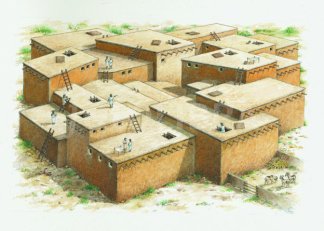 The inhabitants lived in mud-brick
houses which were crammed together in a honeycomb-like maze, with no footpaths or
streets between them. They were accessed by holes in the ceiling, which were reached by
interior and exterior ladders and stairs. The rooftops were used as streets. Houses had
plaster interiors characterized by squared off timber ladders or steep stairs, usually
placed on the south wall of the room, as were cooking hearths and ovens. Each The inhabitants lived in mud-brick
houses which were crammed together in a honeycomb-like maze, with no footpaths or
streets between them. They were accessed by holes in the ceiling, which were reached by
interior and exterior ladders and stairs. The rooftops were used as streets. Houses had
plaster interiors characterized by squared off timber ladders or steep stairs, usually
placed on the south wall of the room, as were cooking hearths and ovens. Each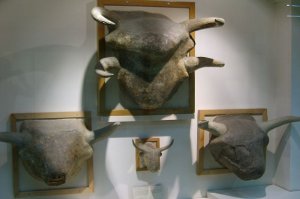 main room served as an area for
cooking and daily activities. The main rooms contained raised platforms that may have been
used for a range of domestic activities. All interior walls and platforms were plastered
to a smooth finish. The homes were kept scrupulously clean. Archaeologists identified very
little trash or rubbish within the buildings. Vivid murals and figurines
are found throughout the settlement, on interior and exterior walls. Heads of animals,
especially of cattle, were mounted on walls. main room served as an area for
cooking and daily activities. The main rooms contained raised platforms that may have been
used for a range of domestic activities. All interior walls and platforms were plastered
to a smooth finish. The homes were kept scrupulously clean. Archaeologists identified very
little trash or rubbish within the buildings. Vivid murals and figurines
are found throughout the settlement, on interior and exterior walls. Heads of animals,
especially of cattle, were mounted on walls.
At some point during our visit, we'll take time for a meditation to
connect with the Ancient Ones who inhabited this sacred site. Our psychic impressions from
the mystical past will present us with an opportunity to perhaps re-activate
cellular memory of a time when the Great Mother Goddess was
center stage in the lives of the people who lived here. Perhaps that connection will
support us to reclaim more of the Sacred Feminine within ourselves.
Return to Konya. Lunch on your own, at your leisure.
Free time in the afternoon. Farewell Dinner at
the hotel. Overnight Konya.
Day 11. Wednesday, April 25. Fly to Istanbul (B)
After breakfast we have
our group transfer to the airport for those who are leaving the tour. With assistance from
our local SSJ tour representaive, check in for your flight to Istanbul.Arrive and meet our
local SSJ tour representaive. Transfer to the hotel. Lunch on your own. Free time. Dinner on your own at the hotel.
Overnight Istanbul.
Day 12. Thursday, April 26. Depart Turkey (B)
Morning group transfer to the airport. Service ends with
arrival at the airport.
NOTE: We suggest that you do not book your flight to depart before noon. For
those of you departing from the USA, SSJ can give you a quote for your international air
once you register. We are able to offer good rates on Turkish Airlines flights from Los
Angeles and New York City to Istanbul
(Private transfers can be arranged at additional cost after you register).
Note:
This itinerary is subject to change due to conditions beyond our control.
Extension
to Gobeki Tepe
Possibly the World's Oldest Stone Temple!
April 25 - 29, 2012
To listen to an interview with German archeologist Dr.
Klaus Schmidt, from the German Archaeological Institute visit, Göbekli Tepe-The Worlds
Oldest Temple? Hear the classical archaeological explanation of the
site. Did people of a hunter/gatherer society really build this site? You decide!
To read an article about Gobekli Tepe entitled
"The Birth of Religion" and see some excellent photos
from the June 2011 issue of National Geographic magazine, click on this
link: http://ngm.nationalgeographic.com/2011/06/gobekli-tepe/mann-text
Day 11. Wednesday, April 25.
To Gaziantep (B/D)
We depart Konya after an early breakfast for our
full day’s drive through the picturesque Turkish countryside to Gaziantep. Lunch
on your own with the group along the way. We arrive late afternoon in Gaziantep and check
into the hotel. Group dinner at the hotel. Overnight
Gaziantep.
Day 12. Thursday, April 26. To Sanliurfa (B/D)
We depart this morning to Sanliurfa, the
city of the prophets. Arrive
later morning in the capital of Sanliurfa Province, often simply known as Urfa.
In ancient times it was Edessa. Today it's a city with almost half a
million inhabitants in south-eastern Turkey and is situated on a plain under big open
skies, about eighty kilometres east of the Euphrates River. The climate features extremely
hot, dry summers and cool, moist winters.
Check into the hotel. Lunch on your own at the hotel. 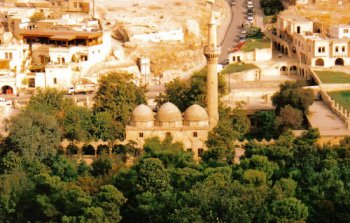
Modern Sanliurfa presents stark contrasts between its old and new quarters. The old
town is one of the most evocative and romantic in Turkey, with an ancient bazaar
still visited by local people to buy fruit and vegetables, where traditionally dressed and
scarfed Arab and Turkish villagers arrive in the early morning to sell their produce. Much
of the old town consists of traditional Middle Eastern houses built around courtyards,
invisible from the dusty streets, many of which are impassable to motor vehicles. In the
narrow streets of the bazaar people scurry to and fro carrying trays of food, which is
eaten on newspapers spread on low tables in a corner of the little shops, many people
drinking water from the same cup. This very oriental atmosphere is bewitching but below
the surface parts of the old city are very poor indeed, with people still living in cave
houses (built into the side of the rock).
 Old Testament
prophets such as Jethro, Job, Elijah and Abraham lived in this city,
which in ancient times was known as Edessa. Moses lived
in the region for seven years working as a shepherd before returning to Egypt with his
staff. It was in Sanliurfa that early Christians were first permitted to worship freely,
and where the first churches were constructed openly. Pagan Goddess temples were
converted to synagogues, synagogues to churches and churches to mosques, resulting in a
uniquely eclectic architecture. Old Testament
prophets such as Jethro, Job, Elijah and Abraham lived in this city,
which in ancient times was known as Edessa. Moses lived
in the region for seven years working as a shepherd before returning to Egypt with his
staff. It was in Sanliurfa that early Christians were first permitted to worship freely,
and where the first churches were constructed openly. Pagan Goddess temples were
converted to synagogues, synagogues to churches and churches to mosques, resulting in a
uniquely eclectic architecture.
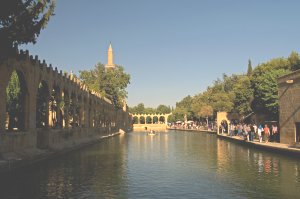
This afternoon we’ll enjoy a City Tour, including the mosque complex
surrounding Abraham's Cave and the Pool of Sacred Fish around
it, and the Urfa Museum in preparation for our visit to Gobekli Tepe
tomorrow.
Return to the hotel. Group dinner at the hotel. Overnight
Sanliurfa.
Day 13. Friday, April 27. Gobekli Tepe (B/D) 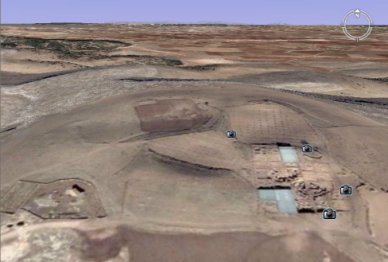
We depart this morning for a full day visit to Göbekli Tepe.
In Turkish the name means "the Hill with a belly". Located about 10
miles northeast of Sanliurfa province, it was first discovered in 1963 by American and
Turkish anthropologists; excavations began in 1995 by Dr. Klaus Schmidt of the German
Archaeological Institute, and continued til 2005.
One of the oldest structures ever found,
it's forcing a complete re-write in early human history! The
archaeological site had revealed a great mystery about the history of Anatolia and the
development of human societies. What makes this site unique is not just the size or the
beauty of the monuments, but the date when they were built. Evidence shows that they are
approximately 12,000 years old, dating back to the Mesolithic Age and the
Pre-Pottery Neolithic Age (Mid Stone ages). In traditional history this would be 10,000
years before the founding of the Roman Empire, 8,000 years before the Hittites, 7,000
years before Stonehenge.
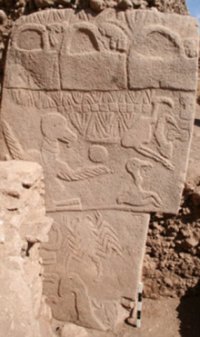 Göbekli
Tepe is the oldest place of worship yet discovered; it was settled
2,000 years before Çatal Hoyuk.
Archaeological evidence points to the fact that it was not used for hunting and shelter,
but was a cult center used for
religious and spiritual purposes. And that the people who lived there began
agriculture. Some Göbekli
Tepe is the oldest place of worship yet discovered; it was settled
2,000 years before Çatal Hoyuk.
Archaeological evidence points to the fact that it was not used for hunting and shelter,
but was a cult center used for
religious and spiritual purposes. And that the people who lived there began
agriculture. Some researchers believe this could be the "Garden of Eden"
of Adam and Eve. researchers believe this could be the "Garden of Eden"
of Adam and Eve.
The artwork found
throughout the site is very different than later cultures. It appears to be entirely totemic,
without any evidence of war or violence, indicating that the people who lived there were
most likely worshippers of the Great Mother Goddess. The site was
continuously used for thousands of years, until something happened in the region around
6000 BCE. At that time site completely abandoned - it was deliberately buried under the
desert sands! Why? This is one of the great mysteries that we'll explore at this timeless
sacred power place.
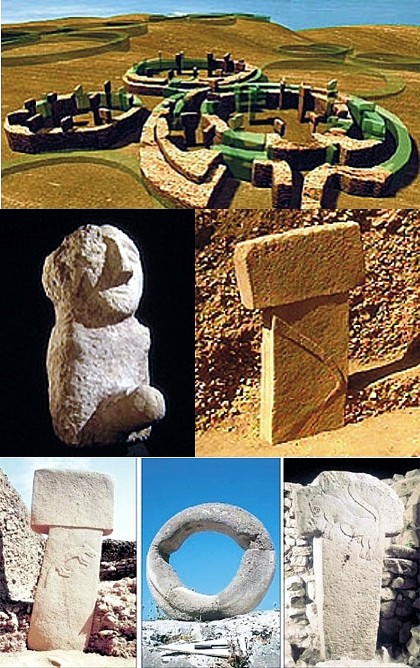
We’ll explore the six buildings with elaborately carved T-shaped megalithic
pillars, the largest weighing about 25 tons, with 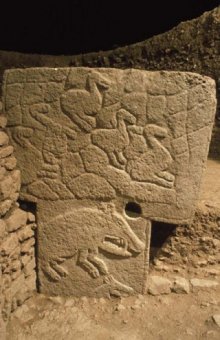 their reliefs of wild
boar, bulls, foxes, lions, birds, snakes, scorpions, ants, spiders and insects.
Some of the obelisks have been worn down over time, but many of them are in excellent
shape. Some of them show signs resembling the letters "H" or "O". Is
it possible that the builders of Gobekli Tepe also invented writing? Or are these sacred
symbols, rather than Latin letters? their reliefs of wild
boar, bulls, foxes, lions, birds, snakes, scorpions, ants, spiders and insects.
Some of the obelisks have been worn down over time, but many of them are in excellent
shape. Some of them show signs resembling the letters "H" or "O". Is
it possible that the builders of Gobekli Tepe also invented writing? Or are these sacred
symbols, rather than Latin letters?
Archaeologists believe these monoliths were quarried
from the area around the site, at an time when metal chisels or hammers were still
unknown. They also believe that the best cutting tools available were made of flintstone,
and that the builders used these to cut 25-ton obelisks out of the bedrock, carve the
beautiful animal figures on them, dragged them to the site and lifted them upright.
Comparable statues have been discovered in Nevali Çori and Nahal Hemar. The quarries for
these statues are located on the plateau itself. Some unfinished pillars have been found
there in situ. Building this massive complex would have been quite the task with only
flint tools! 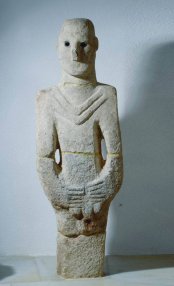
 The houses or
temples we’ll see are mostly independent round megalithic buildings.
There are several circular structures with a diameter ranging from 30 to 100 ft,
rectangular stone walls about 6 ft high. The limestone pillars most likely supported the
roofs, which are about 9 ft tall. We’ll also see several rectangular rooms with
floors made of burnt lime and clay. The houses or
temples we’ll see are mostly independent round megalithic buildings.
There are several circular structures with a diameter ranging from 30 to 100 ft,
rectangular stone walls about 6 ft high. The limestone pillars most likely supported the
roofs, which are about 9 ft tall. We’ll also see several rectangular rooms with
floors made of burnt lime and clay.
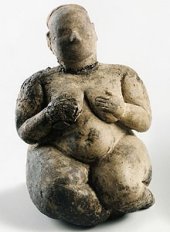
Only a few of human figures have been recovered so far. The man is the world's oldest
statue, the 13,500 year old Balikligöl Statue. The woman is a smaller figurine.
And last of all, the enigmatic question of why the site
was manually buried remains to be answered. We'll take time for meditation among
these powerful stones to seek our own impressions.
To listen to an interview with German archeologist Dr. Klaus Schmidt,
from the German Archaeological Institute visit, Göbekli Tepe-The Worlds
Oldest Temple? Hear the classical archaeological explanation of the
site. Did people of a hunter/gatherer society really build this site? You decide!
To read an article about Gobekli Tepe entitled
"The Birth of Religion" and see some excellent photos
from the June 2011 issue of National Geographic magazine, click on this
link: http://ngm.nationalgeographic.com/2011/06/gobekli-tepe/mann-text
Return to the hotel in the afternoon. Time for a bit of rest before our group dinner at
the hotel. We'll certainly have much to discuss tonight! Overnight
Sanliurfa.
Day 14. Saturday,
April 28. Fly to Istanbul (B/D)
Check out of the hotel
after breakfast and transfer to nearby Güney Anadolu Airport. Board the return flight to Istanbul.
Arrive and transfer to the hotel. Lunch on your
own. Free time to explore a bit of Istanbul on your own. Farewell dinner at hotel. Overnight
Istanbul.
Day 15.
Sunday, April 29. Depart Turkey
Morning group transfer to the airport. Service ends
with arrival at the airport.
NOTE: We suggest that you do not book your flight to depart before noon. For
those of you departing from the USA, SSJ can give you a quote for your international air
once you register. We are able to offer good rates on Turkish Airlines flights from Los
Angeles and New York City to Istanbul
(Private transfers can be arranged at additional cost after you register).
Note: This itinerary is subject to change due to conditions beyond our
control.
TOUR INCLUSIONS
Your Sacred Sites Journey
to TURKEY Includes:
- Journey with Sacred Sites Journeys Founder/Director
Andrea Mikana-Pinkham and other spirit-centered travelers
- Experience the powerful energies at
ancient Goddess sites
- Istanbul: Blue Mosque, Hagia Sophia, Archaeology Museum, Chora Church, Grand Bazaar
- Troy – Temple of Athena
- Pergamon - Temples to Athena, Isis and Serapis
- Sardis - Artemis Temple
- Ephesus - Artemis Temple, Temple of Isis, Mary's House, Selcuk Museum
- Aphrodisias - Temple of Aphrodite
- Pamukkale - swimming in pools among ancient ruins
- Konya - Rumi's Tomb, Whirling Dervish Museum and Whirling Dervish Performance
- Çatal Höyük - 9,000 year old Neolithic site of the Mother Goddess
- Göbekli Tepe - 12,000 year old Mesolithic and Pre-Neolithic site of the Mother Goddess
- Accommodations in 4* hotels, including daily breakfast and dinner
- Special Welcome and Farewell Dinners
- Pre-Paid Gratuities
- Airfare in Turkey (price subject to change until ticketed)
NOT INCLUDED:
- Roundtrip international airfare to Istanbul, Turkey
- Turkish Tourist Visa (Easily obtainable at the airport when you arrive in Istanbul; cost
currently $20.00 US; one passport photo required; details to be provided with your final
itinerary)
- Meals not included, as indicated in the itinerary
-
Drinks during meals
- Cost to obtain valid passport
- Any items of a personal nature such as laundry, drinks, internet access and telephone
calls. Any item that is not specifically detailed on the SSJ website or final trip
itinerary
TOUR PRICING
This
tour is LAND ONLY. You are responsible to book your roundtrip international flights to
ISTANBUL.
For
those of you departing from the USA, SSJ can give you a quote for your international air
once you register. We are able to offer good rates on Turkish Airlines flights from Los
Angeles and New York City to Istanbul.
ARRIVAL
- Sunday, April 15, 2012: Please arrive in ISTANBUL by early afternoon. (If you arrive
earlier than April 15th, we can offer you a quote for pre-tour services, such as extra
nights at the hotel we will be using for the journey. This quote will be made after your
register.)
MAIN TOUR DEPARTURE - Thursday, April 26, 2012: Please book your international return
flight from ISTANBUL to depart after NOON. (If you do not take the extension to Gobekli
Tepe, but depart after April 26th, we can offer you a quote for post-tour services, such
as extra nights at the hotel we will be using for the journey. This quote will be made
after your register.)
EXTENSION DEPARTURE - Sunday, April 29, 2012:
Please book your international return flight from ISTANBUL to depart after NOON. (If
you depart after April 29th, we can offer you a quote for post-tour services, such as
extra nights at the hotel we will be using for the journey. This quote will be made after
your register.)
 DISCOUNT!
Make ALL of your payments by check or money order and receive a 5% discount!
This discount is INCLUDED in the prices below listed for this payment option.
TURKEY: Spiritual Pilgrimage to Sacred Sites of the Goddess
(April 15 - 26, 2012)
DISCOUNT!
Make ALL of your payments by check or money order and receive a 5% discount!
This discount is INCLUDED in the prices below listed for this payment option.
TURKEY: Spiritual Pilgrimage to Sacred Sites of the Goddess
(April 15 - 26, 2012)
Per Person, double occupancy, land only:
$2,479.00 for payments
via check or money order
OR $2,609.00 for payments via credit card
Single Room Supplement:
$475.00 for payments via check or money order
OR
$500.00 for payments via credit card
NOTE:
This is the additional amount you will pay if you choose to have your own private room
throughout the tour.
ROOMMATES: Would you like to meet and make a new friend on your journey? If you're
not traveling on the journey with anyone you know, and would like for SSJ to try to match
you up with a suitable roommate, we'll be happy to try to do so.
Per
our Terms and Conditions, we will hold the registration for the trip open until 30 days
before the departure date (or later if possible) in order to try to match you with
someone. If by that date we have not been able to do so, you will be responsible to pay
for the single supplement. If you would like to be matched with a
roommate, please register early.
EXTENSION to Gobekli Tepe (April 25 - 29, 2012)
Per Person, double occupancy:
$869.00 for payments
via check or money order
OR $915.00 for payments via credit card
Single Room Supplement:
$198.00 for payments via check or money order
OR $208.00 for payments via credit card
TOUR REGISTRATION
March
12, 2012: Our group is full and registration is closed.
Tour begins April 15, 2012.
For
a REGISTRATION FORM and our Terms and Conditions: Click Here
Questions? Email Andrea Mikana-Pinkham at info@SacredSitesJourneys.com
Or call our office at 888 501-3853 (Toll free
in the US) or 928 284-2384
If you'd like to receive our Monthly
Sacred Sites Journeys E-Newsletters, please Sign Up Here!
Newsletters are sent out about
once a month.
Occasionally you may also receive an e-news bulletin about a specific journey or event.
We will not sell or share your information
with any other company or individuals.
You can easily un-subscribe at any time.
To read copies of our current
and past E-Newsletters, Click Here!
NOTE: All photos and text on this
webpage are the Copyright of Sacred Sites Journeys/ Heartlight Fellowship.
Sacred Sites Journeys is NOT
affiliated with any other sacred travel company.
Other sacred travel companies offering
spiritual pilgrimages similar to ours
are using our text and photos. We did not give them permission to do so.
We believe that karma is very efficient, and that those who are not in integrity
will swiftly reap the negative benefits of such actions.
Back to top |
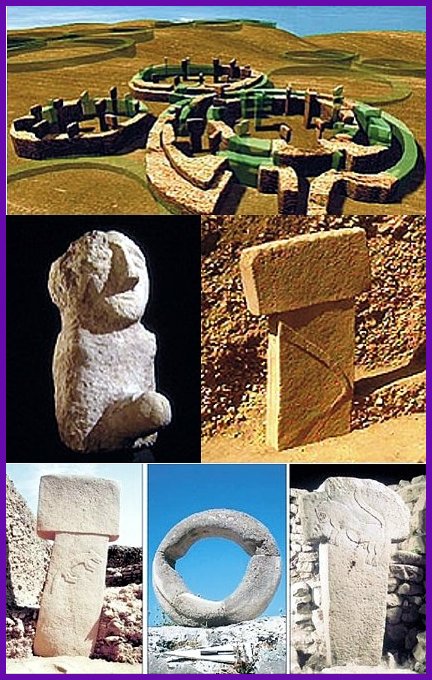
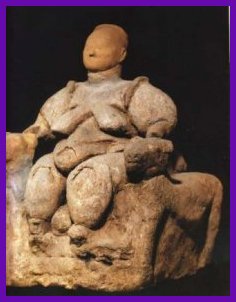
 TURKEY